
Some flowers grab your attention with their size or color. Daphne takes a quieter approach: its delicate blooms and unforgettable fragrance make you stop and notice. The daphne flower meaning connects this beautiful plant with love, immortality, transformation, honor, and resilience.
From ancient Greek mythology to modern gardens, daphne has a story that is almost as interesting as the flower itself. Winter-blooming varieties add another layer of meaning, representing hope and renewal when most plants remain dormant.
Let’s explore the symbolism, history, colors, fragrance, and winter daphne flower meaning behind this fascinating plant.
What Is the Daphne Flower?
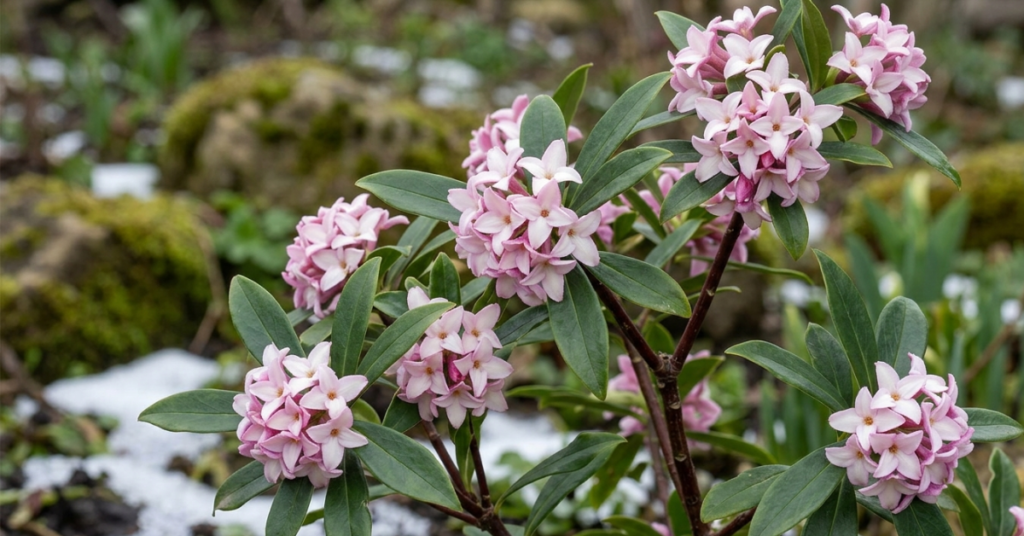
Daphne refers to a group of flowering plants in the Daphne genus within the Thymelaeaceae family. The genus includes many species and cultivars, each with differences in size, foliage, flower color, and blooming season.
Daphne plants typically feature:
- Small, star-shaped or tubular flowers
- Strong, sweet fragrance
- Pink, white, red, purple, or lavender-toned blooms
- Green foliage that stays evergreen in many varieties
- Colorful berries on certain species
- Compact growth that suits ornamental gardens
The plant’s fragrance remains one of its biggest attractions. Although individual flowers look small and delicate, their scent can travel surprisingly far, especially on mild days.
Daphne Flower Meaning and Symbolism
So, what does the daphne flower symbolize?
The daphne flower meaning can change with cultural and historical context, but several themes appear again and again. These include immortality, love, transformation, honor, and endurance.
Immortality and Eternal Life
Immortality ranks among the most recognizable symbolic associations linked with daphne. Much of this connection comes from the ancient Greek story of Daphne and Apollo.
In the myth, Daphne transforms into a laurel tree while escaping Apollo. The modern Daphne genus differs botanically from the laurel tree in the story, but the shared name has connected the flower to this ancient tale.
As a result, daphne can represent:
- Eternal life
- Lasting remembrance
- Endurance
- Transformation
- Permanence
Love and Devotion
Daphne’s beautiful flowers and powerful fragrance naturally lend themselves to symbolism around love and affection.
The plant also offers an interesting contrast. Its flowers look delicate, yet many daphne varieties can thrive for years in the right conditions. That combination can represent affection that remains strong through changing circumstances.
For this reason, daphne can symbolize:
- Romantic love
- Devotion
- Affection
- Lasting relationships
- Appreciation
Protection and Honor
Daphne also carries an indirect connection to honor and victory through the laurel of Greek and Roman tradition.
Ancient cultures used laurel wreaths to recognize achievement and victory. Although modern Daphne plants aren’t the same as the mythological laurel, the connection has influenced the flower’s broader symbolic associations.
Daphne can therefore evoke ideas of:
- Honor
- Achievement
- Recognition
- Strength
- Protection
Winter Daphne Flower Meaning
The winter daphne flower meaning has a particularly beautiful connection to its blooming season.
Daphne odora, commonly called winter daphne or fragrant daphne, produces clusters of intensely fragrant flowers during late winter or early spring, depending on the variety and growing conditions.
While many plants wait for warmer weather before showing new growth, winter daphne can bring color and fragrance to the garden during the colder months. That seasonal contrast gives it a natural connection with:
- Hope
- Renewal
- Resilience
- New beginnings
- Perseverance
- Beauty after hardship
In a symbolic sense, winter daphne flower meaning reflects the idea that beauty can appear even during a difficult or quiet season.
That makes winter daphne an especially meaningful choice for anyone who connects flowers with strength, recovery, or fresh starts.
Daphne Flower Meaning in Greek Mythology
The story behind the name Daphne comes from one of the best-known myths of ancient Greece.
Daphne was a nymph who wanted to preserve her independence and avoid marriage. Apollo became fascinated with her and pursued her. When Daphne tried to escape, she appealed to her father, the river god Peneus, for help.
Peneus transformed her into a laurel tree.
Apollo then honored the tree and began wearing its leaves as a symbol of remembrance and achievement.
This myth explains why people often connect Daphne with transformation, independence, honor, and immortality.
However, one botanical detail deserves attention: the laurel from the myth is not the same plant as the modern Daphne genus. The modern genus received its name because of its association with the mythological Daphne.
What Does Daphne Flower Symbolize?
Looking for the quick answer? Daphne commonly represents:
- Immortality – linked to its mythological history.
- Love – inspired by its beauty and intoxicating fragrance.
- Transformation – reflecting Daphne’s change in Greek mythology.
- Honor – connected indirectly with the symbolism of the laurel.
- Resilience – especially fitting for winter-blooming varieties.
- Renewal – because winter daphne can bloom while many other plants remain dormant.
Flower symbolism doesn’t follow one universal rule. Meanings can differ between cultures and traditions, so it’s best to view these associations as interpretations rather than fixed definitions.
Daphne Flower Colors and Their Meanings
Different daphne varieties produce flowers in several attractive shades. While color symbolism isn’t unique to daphne, it can add another layer to the meaning.
Pink Daphne Flower Meaning
Pink flowers commonly suggest:
- Affection
- Tenderness
- Romance
- Appreciation
- Grace
Pink daphne looks especially appealing against dark green foliage, and its soft color pairs naturally with its sweet fragrance.
White Daphne Flower Meaning
White flowers traditionally represent:
- Purity
- Peace
- Innocence
- Elegance
- New beginnings
White daphne has a particularly graceful appearance. Its simple color also allows the plant’s fragrance to become the main attraction.
Red and Deep-Pink Daphne
Darker pink and reddish blooms can suggest:
- Passion
- Strong affection
- Courage
- Admiration
Keep in mind that these interpretations come from broader flower-color symbolism rather than an established universal color code specifically for Daphne species.
Why Is Daphne Known for Its Fragrance?
Ask gardeners what they remember most about daphne, and fragrance will probably come up quickly.
Many Daphne species produce an intense perfume that people describe as sweet, floral, citrusy, or slightly spicy. The exact scent can vary between species and cultivars.
The most surprising part? The plant doesn’t need huge flowers to make an impression. A relatively small shrub can release enough fragrance to scent a nearby walkway or garden area.
For that reason, gardeners often place daphne near:
- Walkways
- Patios
- Doors
- Windows
- Seating areas
- Garden entrances
Choosing a location where people regularly pass by makes it easier to enjoy the fragrance throughout the flowering season.
Is Daphne a Good Flower for Gifts?
Daphne doesn’t appear in bouquets as often as roses, lilies, or tulips. Still, its symbolism can make it meaningful for the right occasion.
Its associations with love, endurance, remembrance, transformation, and renewal suit moments such as:
- New beginnings
- Personal milestones
- Housewarmings
- Celebrations
- Expressions of appreciation
- Meaningful life changes
A living daphne plant can also make a thoughtful alternative to a traditional bouquet. With proper care and suitable growing conditions, some varieties can remain part of a garden for years.
Daphne Flower in the Garden
Gardeners value daphne for more than its symbolism. Its compact form, attractive foliage, and fragrance make it a popular ornamental plant.
Depending on the species and cultivar, gardeners can use daphne as:
- A fragrant accent plant
- A compact garden shrub
- A woodland-garden feature
- A container plant
- A border planting
- A source of winter interest
Daphne does require some care. Many varieties prefer well-drained soil and dislike frequent disturbance around their roots. Choosing an appropriate planting location can therefore make a significant difference to the plant’s long-term health.
Is Daphne Safe Around Children and Pets?
One important point often gets overlooked when people discuss this plant. Many Daphne species contain toxic compounds, and their berries can cause serious problems if someone eats them.
Keep daphne away from children and pets that might chew or ingest plant material. Gardeners should also avoid consuming any part of the plant.
Interesting Facts About Daphne
Daphne has plenty of interesting details beyond its symbolism:
- The Daphne genus contains numerous species and cultivars.
- Many species produce strongly scented flowers.
- Daphne odora is commonly known as winter daphne or fragrant daphne.
- The genus takes its name from the mythological Daphne.
- Modern Daphne plants differ botanically from the laurel in the Greek myth.
- Some species produce colorful berries after flowering.
- Many varieties prefer excellent drainage.
- Some species remain evergreen, while others lose their leaves.
- Mild weather can make the plant’s fragrance particularly noticeable.
Frequently Asked Questions About Daphne Flower Meaning
What is the main daphne flower meaning?
The daphne flower meaning commonly includes immortality, love, transformation, honor, and resilience. Greek mythology strongly influences these associations, particularly the story of Daphne and Apollo.
What is the winter daphne flower meaning?
The winter daphne flower meaning often represents hope, renewal, resilience, and new beginnings. Its ability to produce fragrant flowers during the colder months makes these associations especially fitting.
What does daphne symbolize in Greek mythology?
Daphne symbolizes transformation and independence in Greek mythology. When Apollo pursued her, she asked her father for help, and he transformed her into a laurel tree. The laurel later became associated with honor and achievement.
Is daphne the same as laurel?
No. Daphne and laurel are different plants. The connection comes from Greek mythology and the origin of the name Daphne. The laurel tree in the myth does not belong to the modern Daphne genus.
Is daphne a fragrant flower?
Yes. Many Daphne species have highly fragrant flowers. Daphne odora is particularly well known for its strong, sweet perfume.
What colors does daphne come in?
Daphne flowers can appear in pink, white, red, purple, lavender, and mixed shades, depending on the species or cultivar.
Is daphne poisonous?
Yes, many Daphne species contain toxic compounds. The berries and other plant parts can cause harm if eaten, so gardeners should keep the plant away from children and pets and avoid ingesting any part of it.
Final Thoughts on Daphne Flower Meaning
The daphne flower meaning goes far beyond its delicate appearance. Its history connects the plant with transformation, immortality, love, honor, and endurance, while its intense fragrance gives it a memorable place in gardens.
The winter daphne flower meaning adds an equally appealing message of hope and renewal. When this fragrant plant blooms during the colder months, it offers a small reminder that beauty and new beginnings can arrive even after a quiet season.
Whether you’re exploring flower symbolism, researching Greek mythology, choosing a meaningful plant, or simply looking for a fragrant addition to your garden, daphne deserves a closer look. Its flowers may be small, but their fragrance, history, and symbolism make a lasting impression.